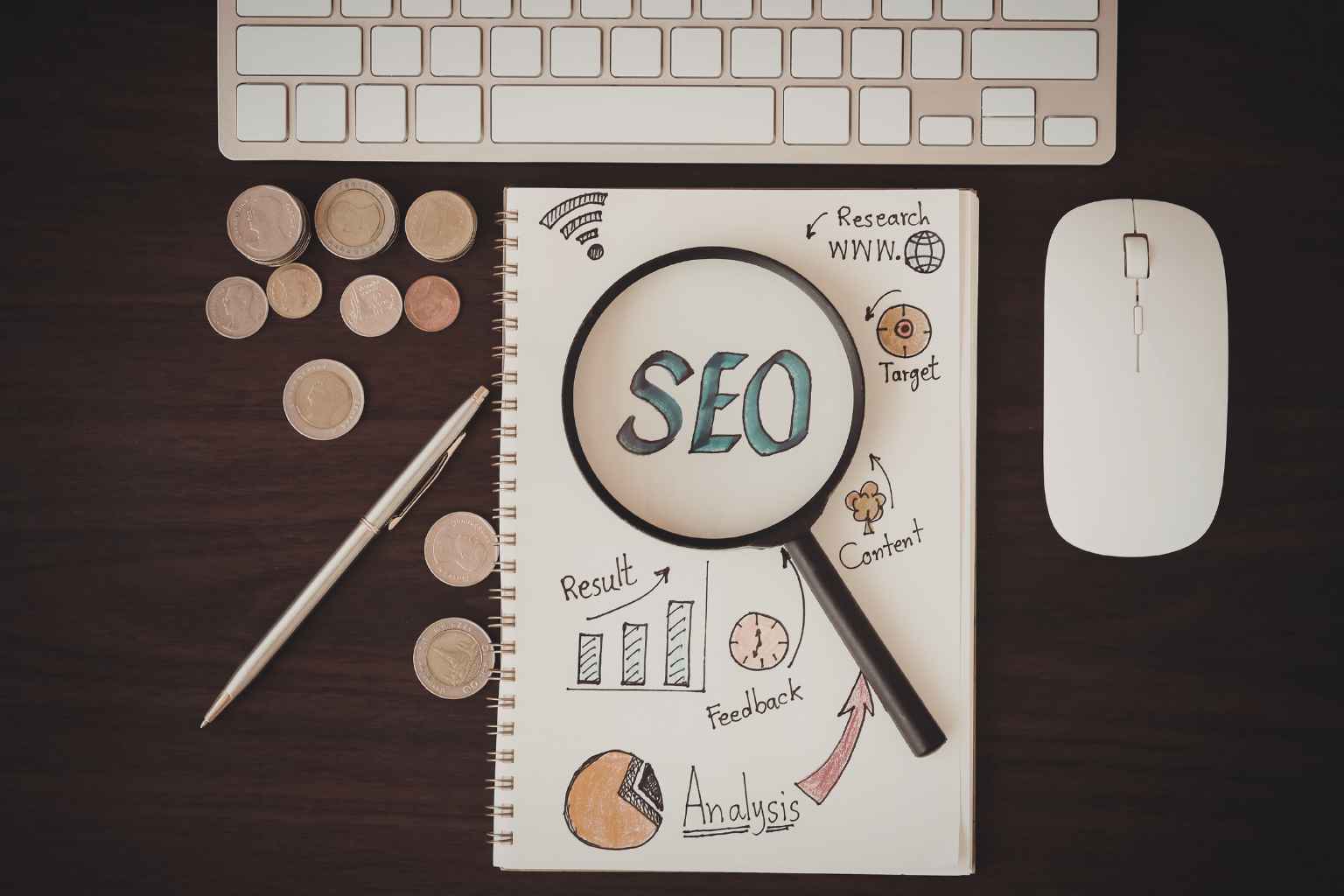
Search behaviour has changed the way people discover, compare, and buy products online. For ecommerce businesses, visibility in search results is no longer optional. It is one of the most important drivers of sustainable growth. SEO plays a central role in making sure your products are seen by the right people at the right time.An effective ecommerce SEO strategy helps businesses attract consistent traffic, build trust with customers, and compete in crowded online markets. While it takes time and effort, SEO creates long term value that continues to deliver results well beyond the initial work.
Introduction: The Role of SEO in Ecommerce
Every successful ecommerce business relies on a clear marketing strategy. That strategy sets direction, defines priorities, and helps measure progress. However, many businesses struggle to decide which channels deserve the most attention.SEO is often overlooked in favour of paid advertising or social media. Yet search remains one of the most powerful ways to reach customers who are already looking to buy.Search visibility directly impacts growth and online sales. When your products appear prominently in search results, you gain exposure, trust, and traffic without paying for every click. Over time, this builds a reliable foundation for ecommerce growth.
What Is SEO and Why It Matters
SEO, or search engine optimisation, is the process of improving your website so that it ranks higher in organic search results. In the ecommerce context, SEO focuses on making product pages, category pages, and supporting content easy for search engines and users to understand.Unlike paid traffic, organic search does not rely on ongoing advertising spend. Paid campaigns can deliver quick results, but visibility disappears once budgets stop. SEO works differently. It builds value over time and continues to attract visitors long after changes are made.SEO drives visibility on search engine results pages by aligning your content with search intent. When your pages match what users are looking for, search engines are more likely to rank them higher. This leads to more qualified traffic and better conversion potential.
Core Benefits of Ecommerce SEO
One of the biggest benefits of ecommerce SEO is increased organic traffic. By targeting relevant keywords and optimising your site structure, you attract users who are actively searching for products like yours.Higher conversion rates are another key advantage. Organic visitors often have stronger purchase intent because they are already researching solutions or products. When your pages answer their needs clearly, conversions naturally improve.SEO also improves user experience. Fast loading pages, clear navigation, and helpful content make it easier for customers to browse and buy. Search engines reward these improvements, creating a positive cycle of better rankings and better engagement.From a cost perspective, SEO supports cost effective long term growth. While it requires time and expertise, it does not involve ongoing click costs. Once rankings are established, they can deliver consistent traffic without additional spend.Finally, SEO creates a competitive advantage. Strong rankings are difficult for competitors to displace. When you build authority and relevance early, you protect your position in the market and reduce reliance on short term tactics.
Key SEO Strategies for Ecommerce Success
Keyword Research and Intent
Effective ecommerce SEO starts with keyword research. This involves identifying the terms potential customers use when searching for products. Transactional keywords are especially important as they signal buying intent.Long tail search terms often deliver higher quality traffic than broad keywords. These searches are more specific and usually less competitive. Short tail keywords attract more traffic but often come with lower intent.Buyer intent mapping helps align keywords with the customer journey. Informational searches support research stages, while commercial and transactional queries support purchasing decisions. Matching content to intent improves both rankings and conversions.
On Page Optimisation Best Practices
On page SEO ensures each page communicates its purpose clearly. Title tags and meta descriptions play a key role in attracting clicks from search results. They should be relevant, descriptive, and aligned with search intent.Content that satisfies user queries is essential. Product descriptions should be clear, helpful, and unique. Avoid copying manufacturer text as this weakens visibility and trust.Product page optimisation also includes internal linking, image optimisation, and clear calls to action. When pages are easy to understand and navigate, users are more likely to stay and convert.
Technical SEO for Ecommerce
Technical SEO ensures search engines can access and understand your site. Site speed is critical, especially for ecommerce. Slow pages lead to higher bounce rates and lost sales.Mobile responsiveness is equally important. Many ecommerce searches now happen on mobile devices. A mobile friendly site improves usability and supports higher rankings.Crawlability and site structure help search engines index pages efficiently. Clear category hierarchies and logical URLs make it easier for both users and search engines to navigate your store.Schema markup provides additional context about products, prices, and reviews. This can enhance how listings appear in search results and improve click through rates.
Off Page SEO and Backlinks
Off page SEO focuses on building authority beyond your website. High quality backlinks from relevant websites signal trust and credibility to search engines.Earning authoritative links takes time and effort. Content marketing, digital PR, and partnerships all play a role in building a strong backlink profile.While social signals are not direct ranking factors, they support visibility and engagement. Increased exposure often leads to more links and brand recognition over time.
Content Marketing and SEO
Content marketing supports ecommerce SEO by addressing questions and building trust. Blog content allows businesses to target informational keywords and support earlier stages of the buyer journey.FAQs, guides, and evergreen articles help answer common questions and reduce barriers to purchase. They also create internal linking opportunities that strengthen overall site structure.Well planned content keeps your site fresh and relevant. It signals ongoing value to both users and search engines while supporting long term organic growth.
Measuring Success: Analytics and Metrics
Measuring SEO success requires tracking the right metrics. Organic traffic growth shows whether visibility is improving over time.Conversion rate tracking reveals how well traffic turns into sales. It helps identify which pages perform best and where improvements are needed.Keyword ranking improvements provide insight into competitiveness and progress. While rankings fluctuate, long term upward trends indicate a healthy SEO strategy.Regular analysis ensures efforts remain aligned with business goals and allows for informed adjustments.
Common SEO Mistakes to Avoid
Ignoring keyword research is a common mistake. Without understanding what users search for, content may fail to attract relevant traffic.Treating SEO as a one time project limits results. Search behaviour, competitors, and algorithms change constantly. SEO requires ongoing attention and refinement.Duplicate content issues also harm ecommerce sites. Similar product pages and copied descriptions confuse search engines and reduce ranking potential. Unique and purposeful content is essential.
Conclusion: Sustaining Ecommerce SEO Growth
SEO remains one of the most effective tools in ecommerce marketing. It drives visibility, supports user experience, and delivers long term value.Sustaining growth requires continuous tweaks, testing, and strategy evolution. As markets change, SEO adapts to meet new opportunities and challenges.By investing in a well planned ecommerce SEO strategy, businesses position themselves for lasting success. At Apex marketing, the focus is on building strategies that grow with your business and support measurable results over time.
FAQs
What is ecommerce SEO Ecommerce SEO is the process of optimising online stores to improve visibility in organic search results and attract customers who are ready to buy.How long does ecommerce SEO take to work SEO is a long term strategy. While small improvements can appear within months, meaningful growth often develops over a longer period.Is SEO better than paid advertising for ecommerce SEO and paid advertising serve different purposes. SEO delivers long term value and consistent traffic, while paid ads offer immediate visibility.Why is user experience important for SEO Search engines prioritise websites that provide a good user experience. Fast loading pages, clear navigation, and helpful content all support higher rankings.Do small ecommerce businesses need SEO Yes. SEO helps small businesses compete by attracting targeted traffic without relying solely on advertising budgets.