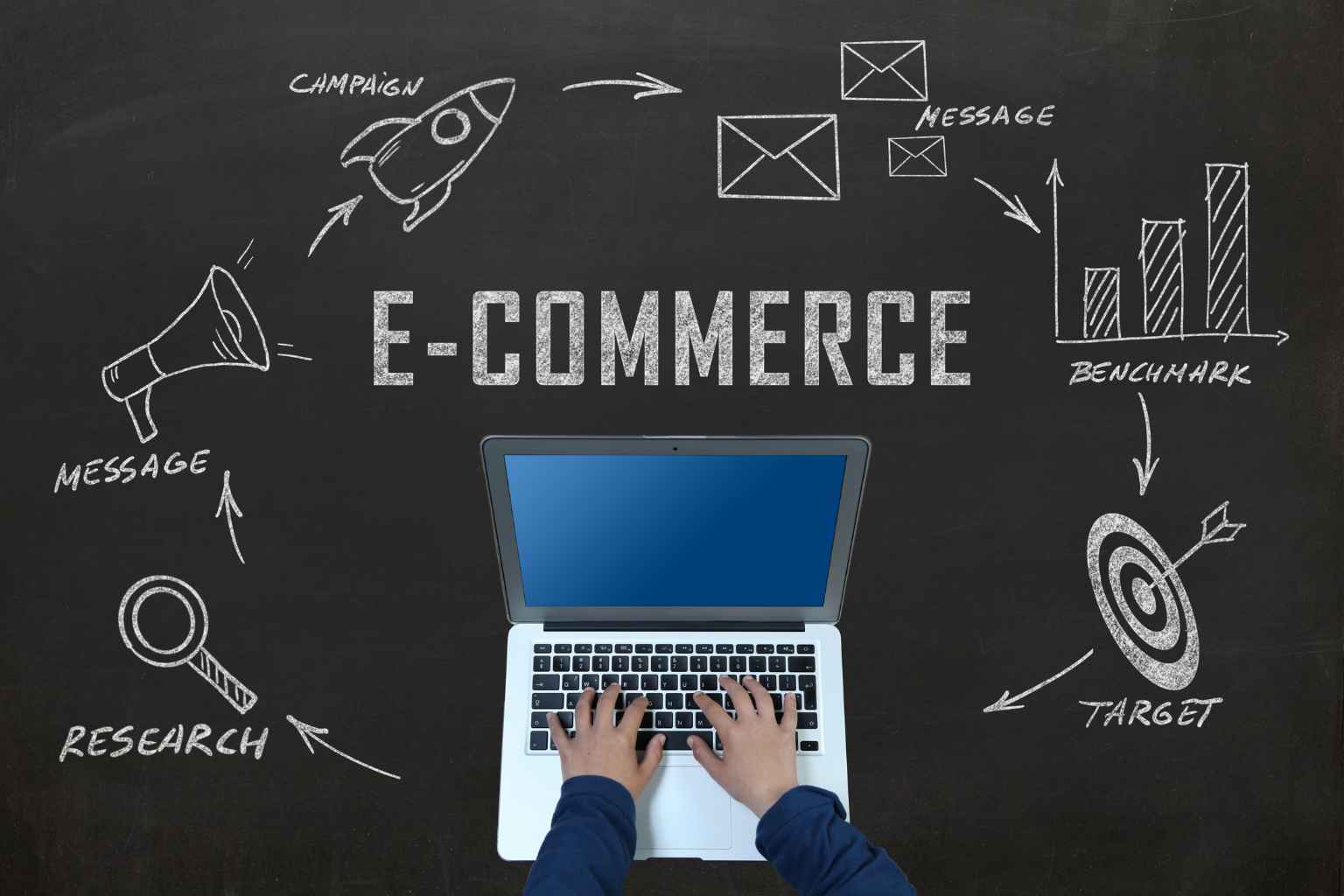
Growing an online store is rarely about having the best looking website alone. The real challenge is making sure the right people can actually find your products when they search online. This is where a strong ecommerce SEO strategy becomes essential.Search engine optimisation for ecommerce websites focuses on improving visibility, attracting high intent traffic, and turning visits into sales. When done properly, it becomes one of the most cost effective and scalable ways to grow an online business.At Apex Marketing, we see ecommerce SEO as a long term investment that builds consistent results rather than short lived spikes. Below, we break down exactly how to create an ecommerce SEO strategy that delivers sustainable growth.
1. Introduction
What Is Ecommerce SEO?
Ecommerce SEO is the process of improving an online store’s visibility in search engines so potential customers can find products organically. It involves optimising product pages, category pages, technical performance, content, and authority signals to increase rankings and drive qualified traffic.Unlike paid advertising, ecommerce SEO focuses on long term results. Once your pages rank well, they can continue generating traffic and sales without ongoing ad spend.
Why Ecommerce SEO Matters for Your Online Store
A well executed ecommerce SEO strategy helps your store appear when customers are actively searching to buy. This means higher quality traffic, better conversion rates, and stronger brand trust.With increasing competition across nearly every ecommerce niche, relying on ads alone is risky. SEO allows your business to build a reliable acquisition channel that supports growth even when advertising costs rise.
2. Conduct Keyword Research
Understanding Buyer Intent
Keyword research is the foundation of any ecommerce SEO strategy. It is not just about search volume but about understanding intent.Some users are researching products, others are comparing options, and some are ready to buy. Identifying keywords that reflect commercial and transactional intent helps ensure your traffic converts into sales.
Long tail vs Short tail Keywords
Short tail keywords often have high search volumes but are extremely competitive. Long tail keywords tend to be more specific and indicate stronger intent.For example, a broad product term may attract interest, while a longer descriptive search phrase often signals that a customer knows what they want. Targeting a mix of both allows your ecommerce site to attract users at different stages of the buying journey.
Tools for Keyword Research
Keyword research tools can help uncover valuable search opportunities. Platforms such as Google Search Console, Google Analytics, Semrush, and Ahrefs provide insight into search demand, competition levels, and ranking potential.Using data rather than assumptions ensures your ecommerce SEO strategy is based on real user behaviour.
3. On Page SEO Best Practices
Optimising Product Pages
Product pages are the heart of an ecommerce website. Each page should be optimised with clear descriptions, relevant keywords, and persuasive copy that helps users make confident purchasing decisions.Unique content is essential. Avoid using the same descriptions across multiple products, as this can weaken search performance and user trust.
Crafting SEO Friendly Titles and Meta Descriptions
Page titles and meta descriptions play a key role in click through rates. They should clearly describe the product while naturally including relevant search terms.Well written metadata improves visibility in search results and encourages users to choose your listing over competitors.
Using Keywords in URLs and Headings
Clean URLs and structured headings help search engines understand your content. Including keywords naturally within headings and page structure improves relevance without over optimisation.This also improves user experience by making pages easier to scan and understand.
4. Site Architecture and Navigation
Category Structure
A clear category structure makes it easier for both users and search engines to navigate your website. Categories should be logical, descriptive, and organised around how customers search for products.Strong site architecture supports indexation and helps distribute authority across your ecommerce pages.
Breadcrumbs and Internal Linking
Breadcrumb navigation helps users understand where they are on your site and improves internal linking. Strategic internal links guide visitors to related products and categories, increasing engagement and supporting SEO performance.
Sitemap and Crawl Optimisation
Submitting an XML sitemap ensures search engines can find and index your key pages efficiently. Regularly reviewing crawl errors and index coverage prevents technical issues from limiting visibility.
5. Technical SEO for Ecommerce
Mobile First Design
Most ecommerce traffic now comes from mobile devices. A mobile first design ensures your website performs well on smaller screens, loads quickly, and offers a smooth shopping experience.Search engines prioritise mobile usability, making this a critical part of any ecommerce SEO strategy.
Page Speed and Core Web Vitals
Slow loading pages lead to poor user experience and lost sales. Optimising images, reducing unnecessary scripts, and improving server performance can significantly boost page speed.Core Web Vitals measure real user experience and play a growing role in rankings.
SSL and HTTPS Security
Security is essential for ecommerce websites. HTTPS protects customer data and builds trust. Search engines also favour secure sites, making SSL a non negotiable requirement.
6. Content Strategy
Ecommerce Blogging
Blog content allows ecommerce brands to target informational keywords, answer common questions, and build topical authority. Blogs can attract users earlier in the buying process and guide them toward relevant products.
Product Guides and Category Content
Detailed guides and category descriptions help users compare options and make informed decisions. These pages also support rankings for broader search terms related to your products.
FAQ Sections for Featured Snippets
FAQs address common customer concerns and can help your pages appear in featured snippets. Clear, concise answers improve both visibility and trust.
7. Schema Markup and Rich Results
Using Product Schema
Schema markup provides search engines with structured information about your products, such as price, availability, and reviews. This can enhance how your listings appear in search results.
Review and Rating Markups
Displaying ratings in search results increases credibility and can improve click through rates. Reviews also influence purchasing decisions and trust.
Structured Data Benefits
Structured data helps search engines interpret your content more accurately, leading to richer search results and improved visibility.
8. Link Building and Authority
Internal Link Strategy
Internal links help distribute authority across your site and guide users to key pages. A thoughtful internal linking strategy supports both SEO and conversions.
Backlink Outreach
External links from reputable websites act as trust signals. High quality backlinks improve domain authority and search rankings.
Guest Posting and Content Partnerships
Creating valuable content that others want to reference is one of the most sustainable ways to build links and brand awareness.
9. Analytics and Tracking
Using Google Analytics
Analytics tools help you understand how users interact with your site, which pages convert best, and where improvements are needed.
Monitoring Search Console Metrics
Search Console provides insight into search queries, impressions, and technical issues. Regular monitoring allows you to refine your ecommerce SEO strategy based on real performance data.
10. Ongoing Optimisation
Continuous Content Improvement
SEO is not a one time task. Updating content, expanding product pages, and improving user experience keeps your site competitive.
SEO Performance Review and KPIs
Tracking key performance indicators such as organic traffic, conversions, and rankings helps measure success and guide future decisions.At Apex Marketing, we believe the most successful ecommerce SEO strategies are those that evolve alongside the business.
Frequently Asked Questions
How long does ecommerce SEO take to show results?
Most ecommerce websites start seeing meaningful improvements within three to six months, depending on competition and existing performance.
Is ecommerce SEO better than paid advertising?
SEO and paid advertising work best together. SEO provides long term growth, while ads deliver immediate visibility.
Do small ecommerce stores benefit from SEO?
Yes. A focused ecommerce SEO strategy can help smaller stores compete by targeting niche keywords and high intent searches.
How often should an ecommerce SEO strategy be updated?
SEO should be reviewed regularly, with updates based on performance data, algorithm changes, and business goals.